ESAT™ — Elevated Standard Aviation Training

Helicopter safety training built from decades of real-world operations across utility, construction, firefighting, and tactical aviation environments — developed for pilots who operate where the margin for error does not exist.

Available as self-paced online courses and live in-person training engagements for operators, teams, and organizations.

What Is ESAT™

ESAT™ — Elevated Standard Aviation Training — is an aviation training platform built from decades of real-world helicopter operations across utility, construction, firefighting, and tactical environments. Every course is developed from direct field experience and aligned with federal aviation regulations, FAA Advisory Circulars, NTSB safety guidance, and industry standards established by IHST and VAST.

ESAT™ is not built around passing a checkride. It is built around preparing pilots for what they actually face in the field — the environments, the decisions, and the conditions where standard training stops and real preparation begins

Developed under ARC — Aviation Resource Consulting — ESAT™ brings together guidance from utility, construction, firefighting, and tactical aviation environments into one structured training platform built for the modern helicopter pilot.

The Gap ESAT™ Closes

There is a difference between being legally current and being operationally prepared. Most training programs are built around meeting a minimum standard — passing a checkride, logging the hours, staying current. That is not enough for the environments helicopter pilots actually operate in today.

Low-level operations have become more complex. More variables. More pressure. Less margin. Wire strikes, obstacle conflicts, dynamic weather, terrain, and operational pressure do not appear on a checkride. They appear on the job — and pilots encounter them with whatever preparation they brought to the field.

ESAT™ was built to close that gap. Not to replace the standard — but to raise the level of preparation behind it. Because the environment has evolved and the training has to follow.

*Now Available*

Low-Level Obstacle Avoidance

LLOA | ESAT™ Course 001

The first course in the ESAT™ training platform is built specifically for helicopter pilots operating in low-level environments where obstacles are real, margins are thin, and decision-making has to be right the first time.

What This Course Covers:

Low-Level Obstacle Avoidance draws from guidance across utility, construction, and operational aviation environments and goes beyond minimum standards to address what pilots are actually dealing with in the field:

Real Hazard Recognition

Identifying and assessing obstacles, terrain, and environmental variables before they become critical factors in flight.

Decision-Making Under Pressure

Developing the judgment and response discipline to make correct decisions in compressed timeframes and degraded conditions.

Situational Awareness Before Things Go Wrong

Building operational awareness habits that create margin before the environment removes it.

FAA-Aligned Safety Practices

Course content developed in alignment with 14 CFR Parts 91 and 77, FAA Advisory Circulars AC 90-48E and AC 70/7460-1M, NTSB Safety Alerts SA-058 and SA-020, and IHST accident prevention recommendations.

Who This Course Is For:

LLOA is built for helicopter pilots operating in utility powerline environments, aerial construction and infrastructure projects, low-level survey and patrol operations, and any environment where obstacle avoidance and terrain awareness are critical to safe flight.

Available Online and In-Person

Why ESAT™ Is Different

Most aviation training is built around meeting a minimum standard. ESAT™ is built around what happens after that standard is met — in the field, at low level, in real conditions, with real consequences.

Real-World Experience Not Classroom Theory

Every ESAT™ course is developed from thousands of hours of actual helicopter operations across utility powerline construction, aerial firefighting, military special operations, and tactical aviation environments. The scenarios, the hazards, and the decision points in this training are not hypothetical. They come from environments where mistakes are not recoverable and experience is the only real teacher.

Grounded in the Standards That Govern the Industry

ESAT™ training is developed in alignment with 14 CFR Parts 91, 133, and 77, FAA Advisory Circulars AC 90-48E, AC 133-1B, and AC 70/7460-1M, NTSB Safety Alerts SA-058 and SA-020, the FAA Helicopter Flying Handbook, IHST accident prevention recommendations, VAST wire strike prevention standards, and NWCG Standards for Helicopter Operations. Real-world experience and regulatory depth working together — because knowing the rule is not enough. Understanding why it exists is what keeps pilots safe.

Cross-Industry Insight

ESAT™ draws from best practices across utility, construction, firefighting, military, and tactical aviation environments — combining the knowledge of pilots, linemen, safety professionals, and field operators into one structured training approach. No single industry has all the answers. ESAT™ brings them together.

Built for Modern Operations

The aviation environment has changed. Low-level operations are more complex, more variable, and less forgiving than they were a generation ago. ESAT™ is focused on current risks, real conditions, and how helicopter aviation actually operates today — not how it operated when the curriculum was last updated.

Available Where You Are

ESAT™ training is available as self-paced online courses for individual pilots and as live in-person training engagements for flight departments, utility operators, construction contractors, and government aviation programs. ARC brings the training directly to your team — in your environment, on your schedule, with your specific operational context built into every session.

The Standards Behind Every ESAT™ Course

ESAT™ training is not developed in isolation. Every course is built in alignment with the federal regulations, FAA guidance, NTSB safety data, and industry standards that govern real helicopter operations. This is the regulatory foundation behind every ESAT™ course:

Federal Aviation Regulations

14 CFR Part 91 — General Operating and Flight Rules including minimum safe altitudes. 14 CFR Part 133 — Rotorcraft External-Load Operations. 14 CFR Part 77 — Safe, Efficient Use and Preservation of the Navigable Airspace.

FAA Advisory Circulars

AC 133-1B — Rotorcraft External-Load Operations. AC 90-48E — Pilots' Role in Collision Avoidance. AC 70/7460-1M — Obstruction Lighting and Marking. AC 150/5200-28G — Notices to Air Missions for Airport Operators.

NTSB Reports and Safety Alerts

NTSB Safety Alert SA-058 — Prevent Midair Collisions. NTSB Safety Alert SA-020 — Reduced Visual References Require Vigilance. NTSB Special Investigation Report AIR-24-03 — Safety and Industry Data Improvements for Part 135 Operations.

FAA Handbooks and Manuals

FAA-H-8083-21 Helicopter Flying Handbook. FAA-H-8083-25 Pilot's Handbook of Aeronautical Knowledge. Aeronautical Information Manual Chapters 4, 7, and 10. FAA Civil Aerospace Medical Institute — Pilot Vision and Spatial Disorientation.

Industry Safety Standards

International Helicopter Safety Team — IHST — Accident Prevention Recommendations. Vertical Aviation Safety Team — VAST — Helicopter Wire Strike Protection and Prevention. National Wildfire Coordinating Group — NWCG — Standards for Helicopter Operations PMS 510. FAA Human Factors Perspective on Human External Loads DOT/FAA/AM-98/13.
The Mission

The mission does not change.

Safe, effective helicopter operations in environments where mistakes are not recoverable.

What changes is how pilots are prepared to meet that standard. For too long the gap between legal currency and operational readiness has been accepted as normal. ESAT™ exists because that gap costs lives — and because the experience exists to close it.

Every course. Every engagement. Every standard. Built from the field. Held to a higher level. Delivered to pilots who deserve preparation that actually matches the environment they operate in.

Training Availability

ESAT™ training is now available. The Low-Level Obstacle Avoidance course is the first in a growing library of helicopter safety training programs being developed under the ESAT™ platform — each one built from real-world operational experience and aligned with recognized industry standards and certification pathways.

New courses are added as they are developed and validated against the same standard that defines everything ESAT™ produces. Every course that carries the ESAT™ name has earned it.

How to Access ESAT™ Training

ESAT™ training is available in two formats:

Online Courses

Self-paced courses available to individual pilots, flight crew, and aviation professionals. Enroll directly and complete training on your schedule.

In-Person Training Engagements

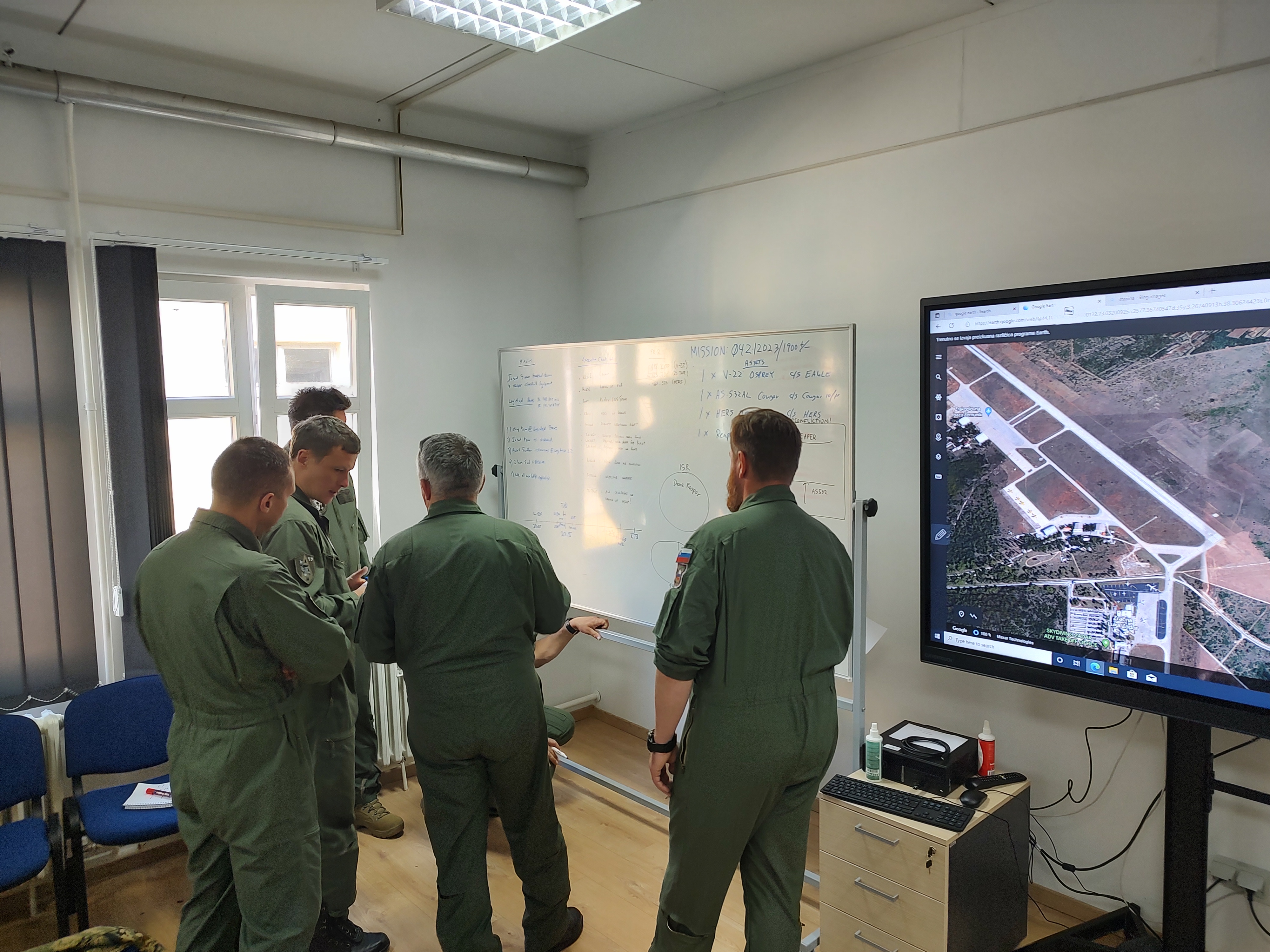
Live training delivered directly to your team — in your environment, on your schedule, tailored to your specific operational context. Available for flight departments, utility operators, aerial construction contractors, government aviation programs, and military units. Contact ARC to discuss scheduling and pricing for your organization.

Ready to Raise Your Standard?

The standard is not changing. The preparation is.

Serving Helicopter Pilots and Operators Across the United States and Globally

ESAT™ training is developed for helicopter pilots, flight departments, utility operators, aerial construction contractors, aerial firefighting teams, government aviation programs, and military units operating in high-risk environments worldwide. Every course is built from direct field experience and aligned with FAA regulations, NTSB safety guidance, and industry standards established by IHST, VAST, and NWCG.

The standard is not changing. The preparation is. And ESAT™ was built to make sure pilots are ready for both.